





Exploración Activa

All Missions

Exploring the Red Planet

Missions
48
Launched
Active
7
In progress
Success
27
Historical
Efficiency
56.3%
Global rate
Rover
7
Mobile robots
Lander
8
Stationary landers
Orbiter
20
Orbiting satellites
Helicopter
1
Mars Helicopters

Filter by mission type

Base de Datos

Mars 1
Flag
SKP

Mars 1

Agency

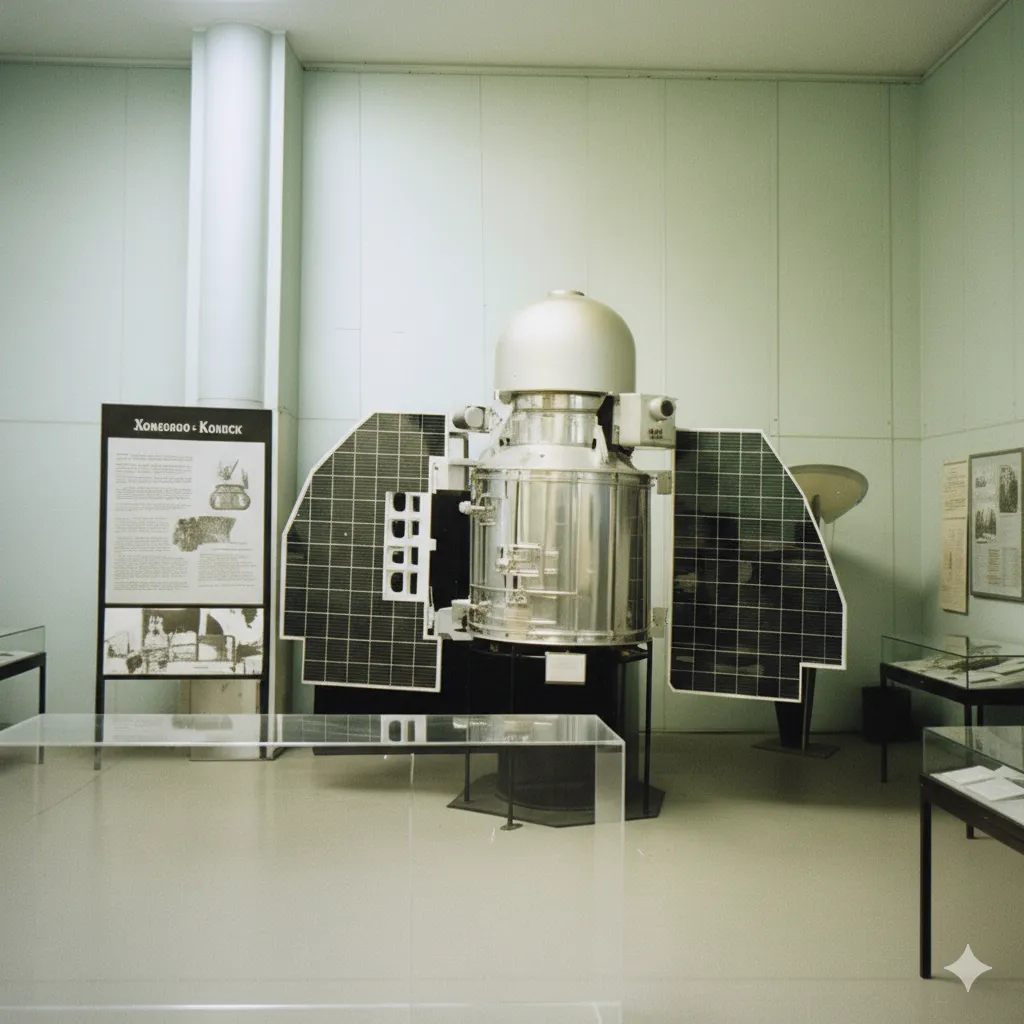
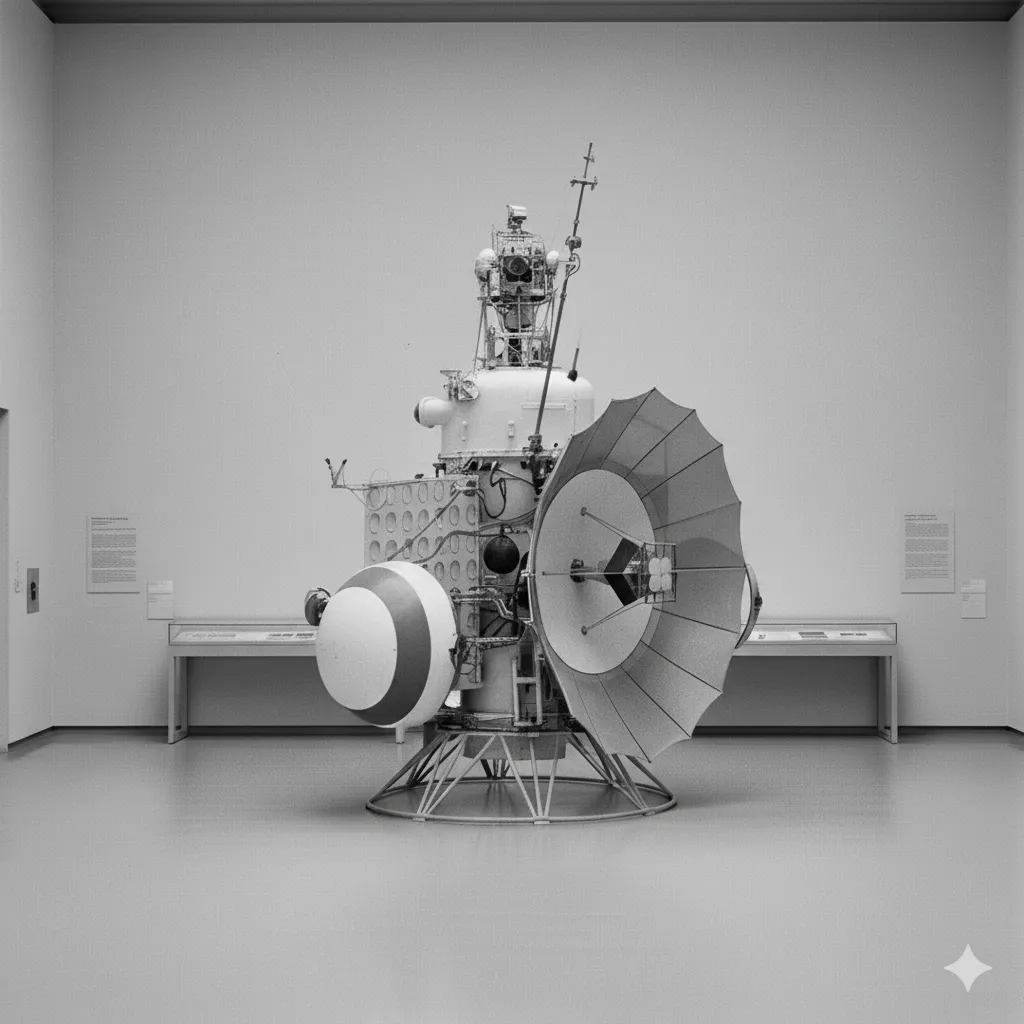
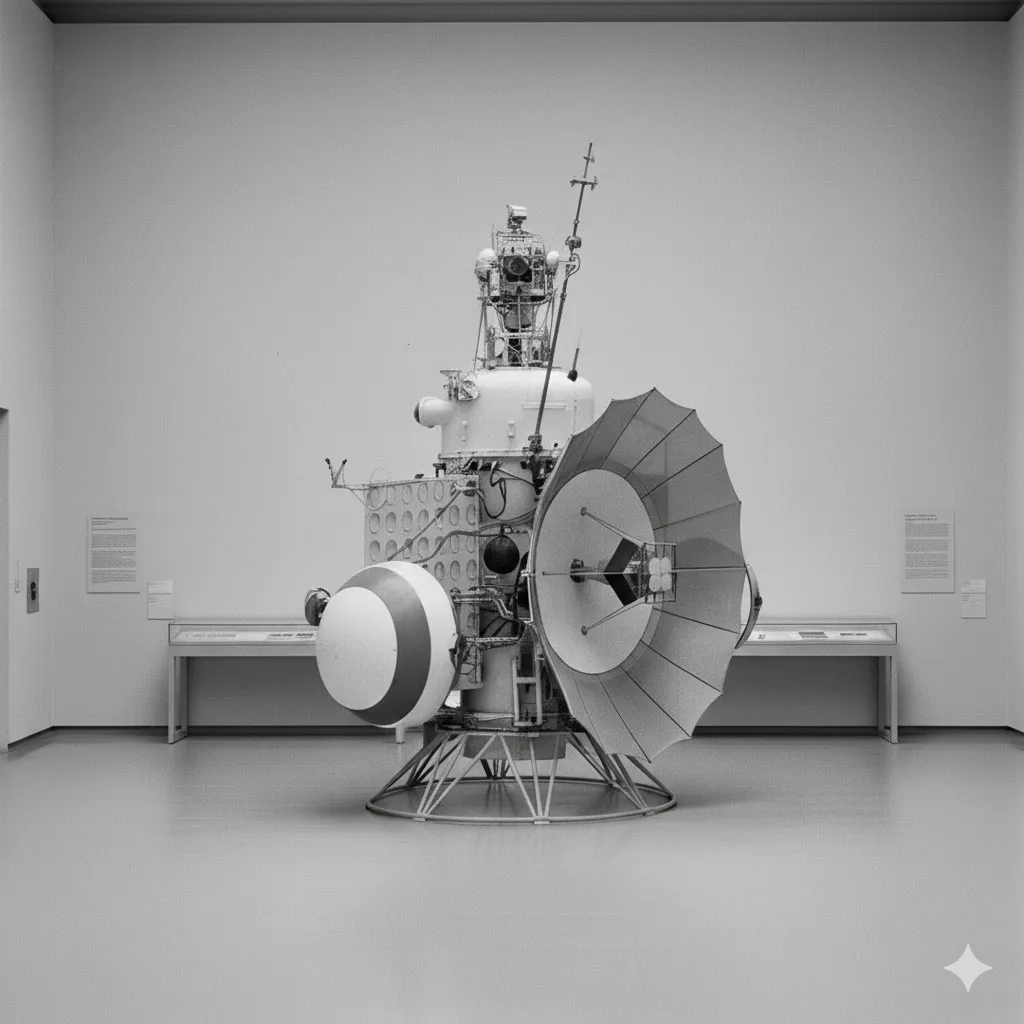
Mars 1, launched by the USSR in 1962, was the first probe on a successful trajectory to Mars. It held 61 communication sessions, gathering interplanetary space data. On March 21, 1963, contact was lost at 106 million km due to a faulty valve in the attitude control system , which prevented the antenna from pointing to Earth.

Loss of Contact
Discover more
Mars 2MV-4 No.1 (Sputnik 22)
Flag
SKP

Mars 2MV-4 No.1 (Sputnik 22)

Agency

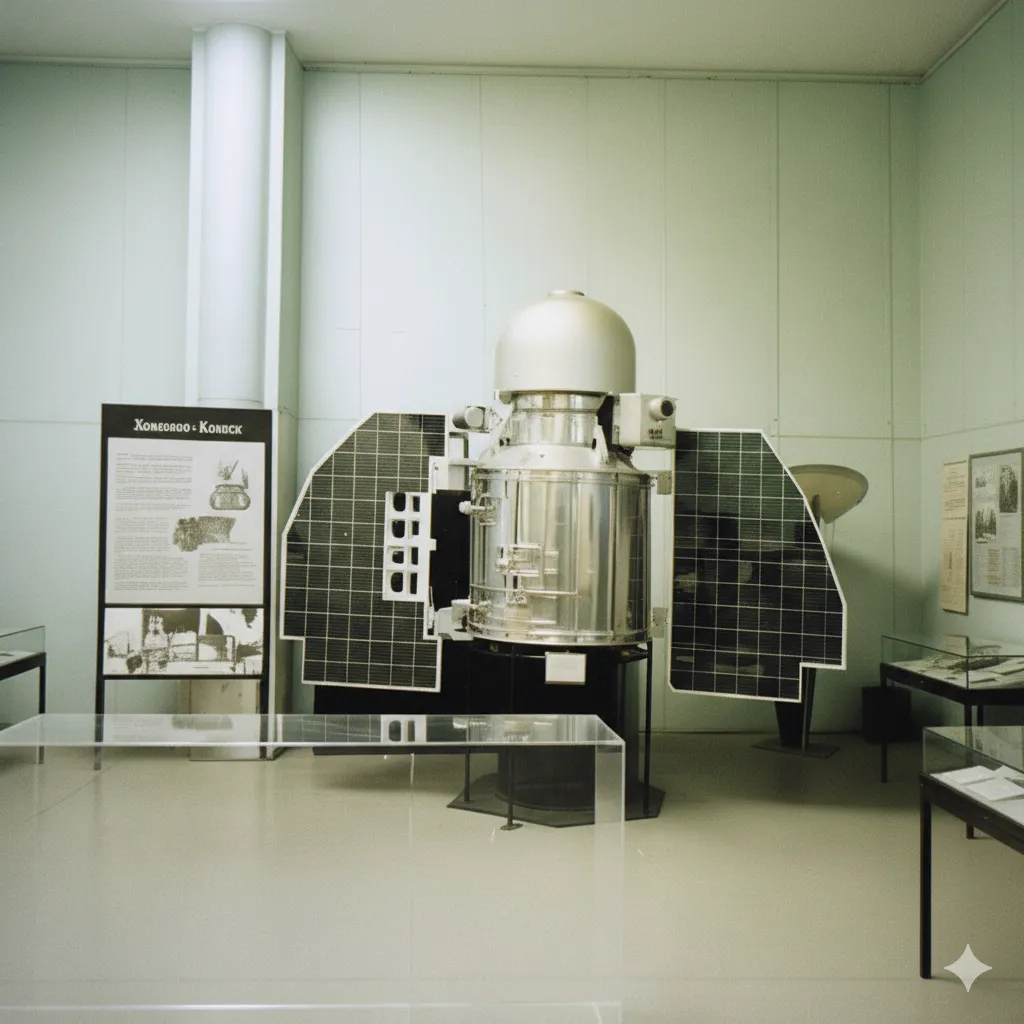
The Soviet Mars 2MV-4 No. 1 probe (Sputnik 22) failed on October 24, 1962, when its Blok L upper stage exploded in LEO due to a seized staged-combustion turbopump. Its debris triggered a false ICBM attack alarm in Alaska, averted via vector tracking during the height of the Cuban Missile Crisis.

Launch Failure
Discover more
Mars 1M No.2 (Korabl 5)
Flag
SKP

Mars 1M No.2 (Korabl 5)

Agency

The Soviet probe Korabl 5 (1M No. 2) was destroyed on October 14, 1960, during its launch to Mars after a catastrophic third-stage (Block I) failure at T+290 seconds. A liquid oxygen leak froze the kerosene in the turbopump, preventing ignition and forcing a suborbital re-entry over Siberia.

Launch Failure
Discover more
Mars 1M No.1 (Korabl 4)
Flag
SKP

Mars 1M No.1 (Korabl 4)

Agency

The Korabl 4 (1M No. 1) mission represented humanity's first attempt at an interplanetary flyby toward Mars in 1960. A mechanical failure caused by hydraulic cavitation in the Molniya rocket's third-stage turbopumps broke the horizon gyroscope, resulting in a suborbital ballistic reentry over Siberia.

Launch Failure
Discover more
ExoMars Rosalind Franklin
Flag
ESA

ExoMars Rosalind Franklin

Agency

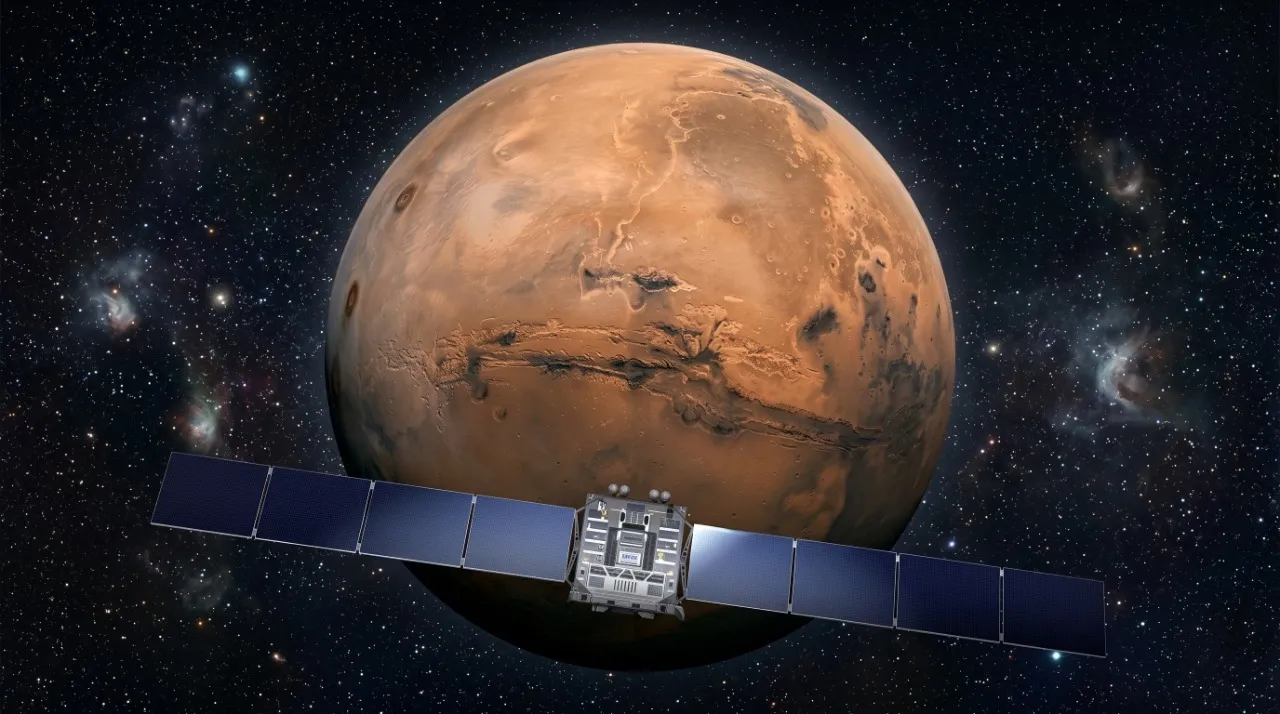
The ExoMars Rosalind Franklin mission represents the forefront of robotic astrobiology. Through a two-meter drilling system, an analytical laboratory (MOMA/RLS), and the innovative use of Americium-241, the mission seeks biomarkers in the Oxia Planum subsurface, ensuring high scientific fidelity.

Aeolus
Flag
NASA

Aeolus

Agency

The Aeolus orbital mission (2028), structured through a public-private partnership between NASA and Relativity Space under a Space Act Agreement, will deploy the innovative DWTS radiometer to continuously map Mars' winds and three-dimensional thermal profiles. Utilizing the Terran R heavy launcher and an onboard AI data center, this meteorological mission will mitigate atmospheric density risks for future crewed landing systems following the loss of the MAVEN probe.

Misión

Estado: